The Weight Loss and Metabolic Surgery Center at Yotsuya Medical Cube, located in Chiyoda City, Tokyo, also provides surgical treatment for obesity and diabetes to foreign nationals living in Japan and patients visiting from overseas.
In addition to substantial weight loss, weight loss surgery may lead to remission of type 2 diabetes and improvements in conditions such as hypertension, dyslipidemia, sleep apnea, knee osteoarthritis, and infertility.
Our center’s physicians have trained at medical institutions overseas and offer consultations in English. Please feel free to contact us.
- 1. Do You Have Any of These Concerns?
- 2. Weight Loss Surgery Outcomes (Case Study)
- 3. Effects of Weight Loss Surgery
- 4. What Is Weight Loss Surgery?
- 5. Eligibility and Contraindications for Weight Loss Surgery
- 6. Treatment Costs
- 7. Risks of Weight Loss Surgery
- 8. Why Patients Choose Us
- 9. Treatment Schedule
- 10. Our Doctors
- 11. Contact Us
- 12. Directions
Do You Have Any of These Concerns?
- You have not been able to lose weight despite ongoing dietary restriction and exercise.
- You have received GLP-1 treatment but have not experienced sufficient benefits.
- You have been told that you have diabetes, hypertension, or dyslipidemia.
- You have been told that your BMI is 35 or higher (severe obesity).
- You would like to have weight loss surgery in Japan but are concerned about language barriers or administrative procedures.
Please contact us if you have any of these concerns. We support weight loss and improvements in health through weight loss surgery.
Weight Loss Surgery Outcomes (Case Study)
From 102.5 kg to 59.8 kg
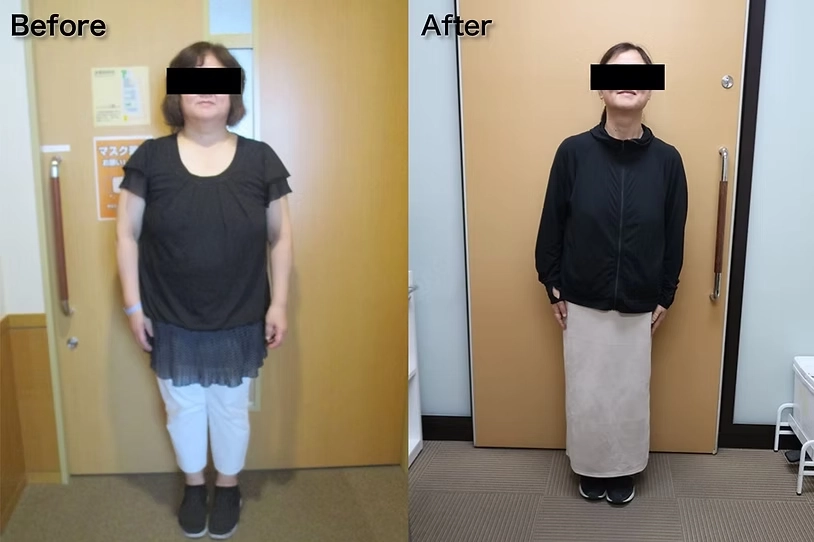
This case involves a woman in her 60s who had obesity-related conditions, including hypertension and dyslipidemia.
At her initial visit, she weighed 102.5 kg and had a BMI of 40.1. She underwent laparoscopic sleeve gastrectomy at our center. At 3 years after surgery, her weight had decreased to 59.8 kg and her BMI to 24.3. She lost 42.7 kg, and her obesity-related conditions also improved. She has continued to do well since then.
* Treatment outcomes vary from person to person.
| Treatment | Laparoscopic sleeve gastrectomy |
|---|---|
| Treatment costs | Treatment covered by insurance: approximately JPY 300,000 (the High-Cost Medical Expense Benefit applies). Self-pay treatment (BMI under 50): approximately JPY 300,000 * Self-pay costs include a private room during hospitalization, supplements for 2 years after surgery, participation in support groups for 5 years, exercise instruction, and other services. |
| Main risks and side effects | Suture-line leakage, peritonitis, intra-abdominal bleeding, bowel obstruction, anastomotic stenosis, gastric sleeve stenosis, postoperative rebleeding, and other complications |
Effects of Weight Loss Surgery
Weight Loss Outcomes
Data from patients who underwent laparoscopic sleeve gastrectomy with duodenojejunal bypass (LSG-DJB) at our center showed that mean body weight decreased from 109.0 kg before surgery to 76.0 kg at 1 year after surgery. Mean body weight also remained at approximately 76–79 kg at 5 years and at 8–10 years after surgery.
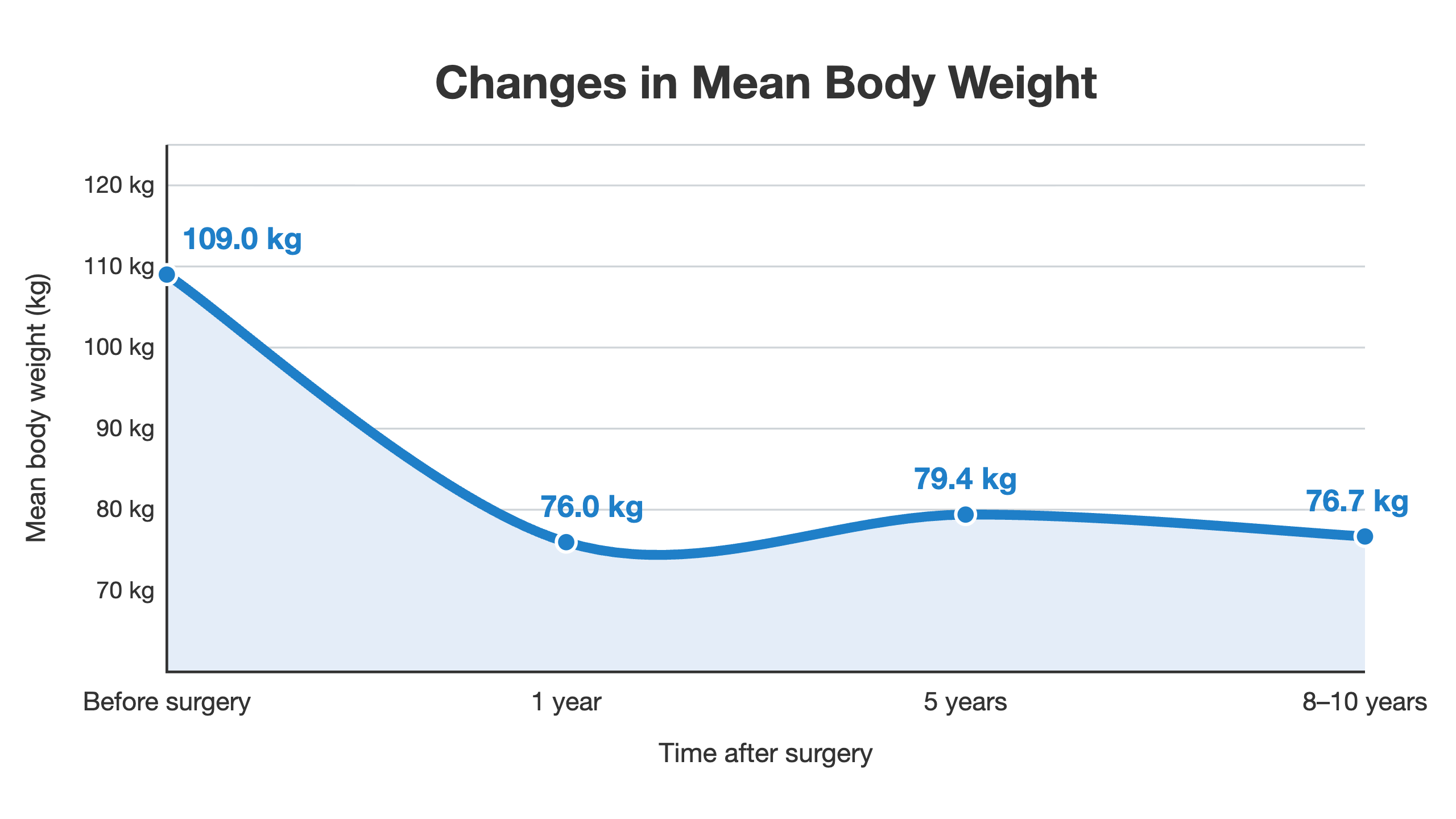
Source: Yap RV, Seki Y, Kasama K, et al. Obes Surg. 2026
Effects on Diabetes
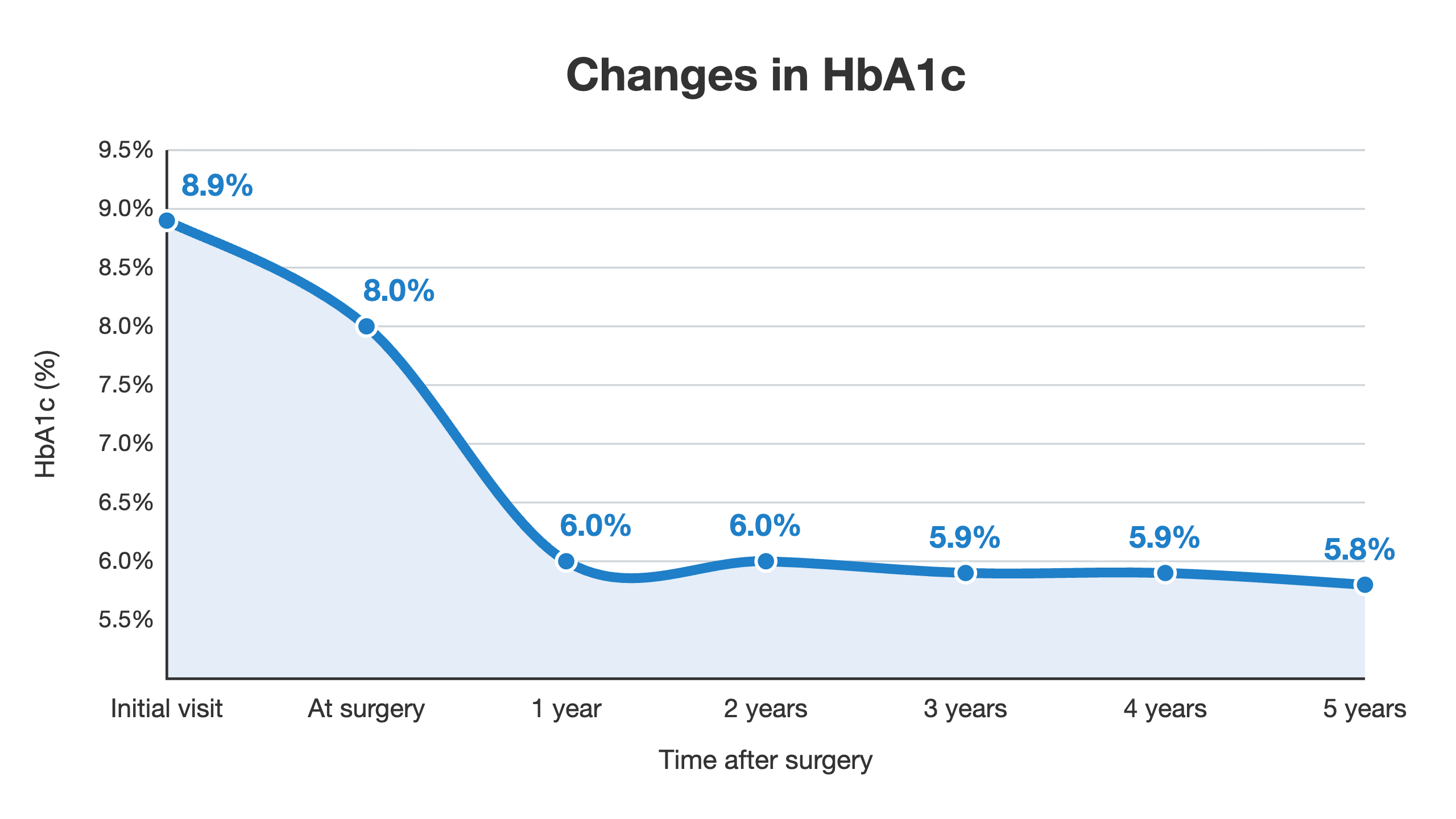
In data from patients with obesity and type 2 diabetes who underwent LSG-DJB at our center, mean HbA1c improved from 8.9% at the initial visit to 6.0% at 1 year after surgery and remained at that level through 5 years after surgery. The diabetes remission rate at 1 year after surgery was 82.1%.
* Diabetes remission refers to maintaining an HbA1c below 6.5% without medication for diabetes.
Source: Seki Y, Kasama K, et al. Obes Surg. 2017; Seki Y, Kasama K, et al. Obes Surg. 2016
What Is Weight Loss Surgery?
There are several types of weight loss surgery, but 2 are performed under Japan’s public health insurance system: laparoscopic sleeve gastrectomy and laparoscopic sleeve gastrectomy with duodenojejunal bypass (LSG-DJB). Both procedures use a laparoscope (an endoscope) and small incisions, making them less invasive and allowing faster recovery after surgery.
We also offer laparoscopic Roux-en-Y gastric bypass and endoscopic adjustable intragastric balloon placement on a self-pay basis.
Laparoscopic Sleeve Gastrectomy
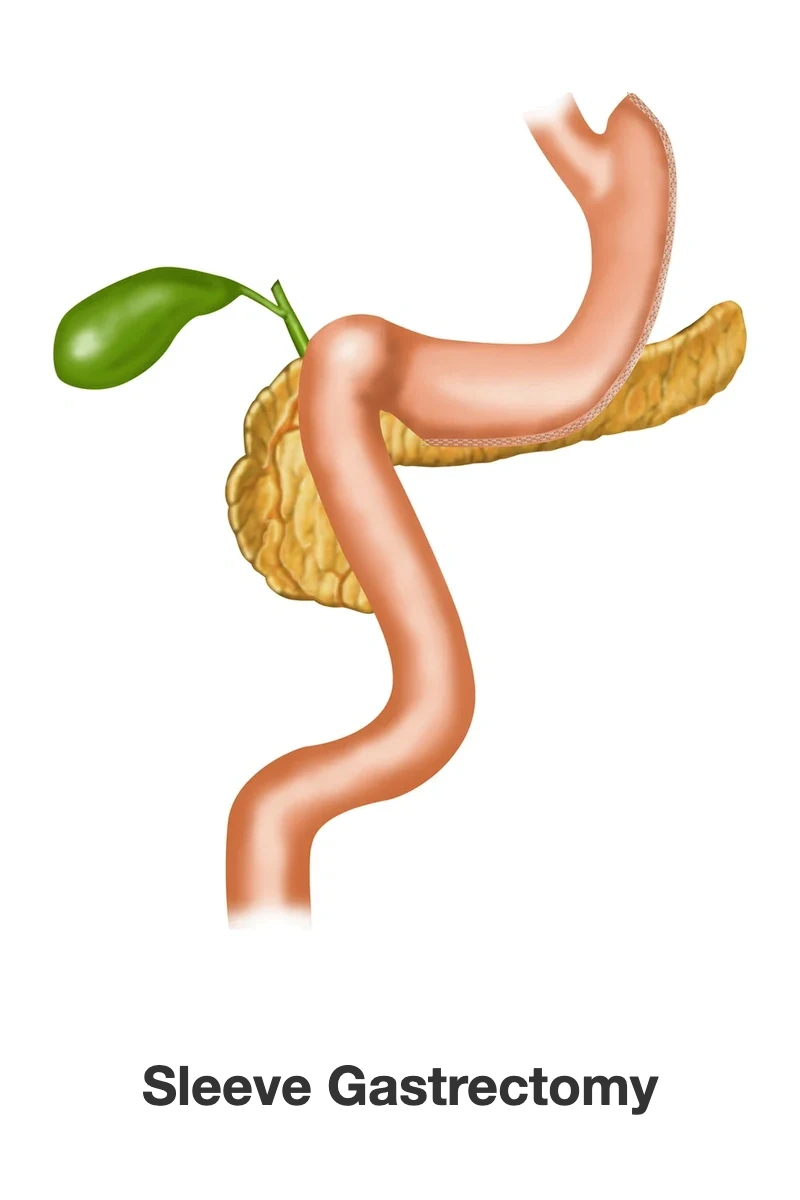
In this procedure, the outer portion of the stomach is removed, and the stomach is reshaped into a banana-like form (a sleeve). Its capacity is typically reduced to 60–100 cc, allowing you to feel full after eating a small amount. The outer portion of the stomach that is removed contains a high concentration of cells that secrete ghrelin, a hormone that stimulates appetite. Patients are therefore thought to feel less hungry after surgery.
Laparoscopic Sleeve Gastrectomy with Duodenojejunal Bypass (LSG-DJB)
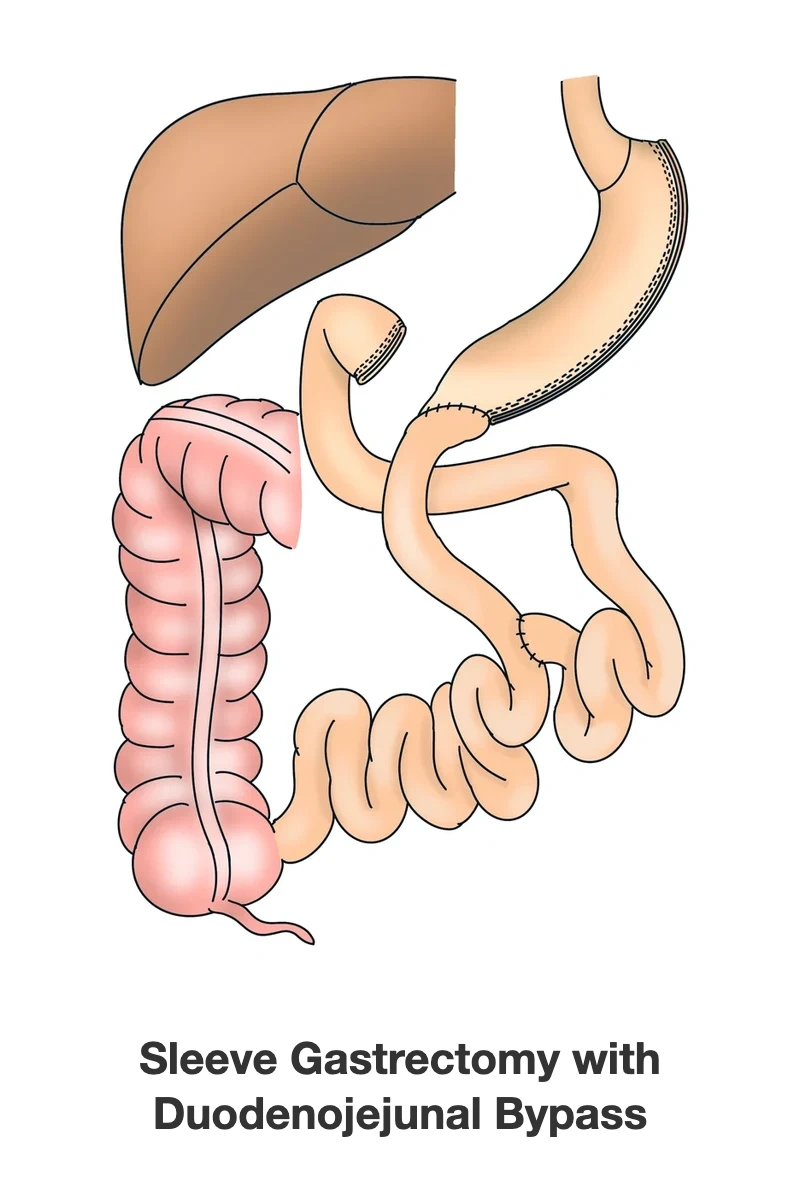
As in sleeve gastrectomy, the stomach is reshaped into a banana-like form. The reduced stomach, duodenum, and small intestine are then connected by anastomosis (surgically joining them together). In addition to reducing food intake, this procedure limits nutrient absorption, so greater weight loss can be expected than with sleeve gastrectomy. It has been shown to be particularly effective for patients with more severe obesity or coexisting type 2 diabetes.
Eligibility and Contraindications for Weight Loss Surgery
Eligibility for Surgery
- A BMI of 30 or higher
- Obesity-related comorbidities
- Medical treatment has not been effective
- Age 18–65 years
* Surgery under insurance coverage is available only to patients enrolled in Japan’s public health insurance (National Health Insurance or employment-based health insurance). Patients who are not enrolled must pay for treatment themselves. Please see “Treatment Costs” for the conditions for insurance coverage.
Contraindications for Surgery
Even if you meet the eligibility criteria, surgery may not be possible in the following circumstances.
- Obesity caused by an endocrine disorder or medication you are taking
- Severe mental illness as determined by clinical assessment (including a history of psychiatric hospitalization within the past year)
- Poor overall health that makes general anesthesia or surgery difficult (such as advanced liver cirrhosis, kidney impairment, or impaired heart function)
- Drug or alcohol dependence (surgery is possible if at least 1 year has passed since recovery from dependence)
- Lack of family understanding of the treatment
Treatment Costs
Treatment costs depend on whether you are enrolled in Japan’s public health insurance and whether you meet the conditions for insurance coverage.
Patients Enrolled in Japan’s Public Health Insurance
Surgery is covered by insurance when all of the following conditions are met.
Laparoscopic Sleeve Gastrectomy
- Ongoing medical treatment for at least 6 months
- A BMI of 35 or higher with at least 1 of the following conditions: diabetes, hypertension, dyslipidemia, obstructive sleep apnea, or nonalcoholic fatty liver disease (including nonalcoholic steatohepatitis)
- Or, a BMI of 32–34.9 with either diabetes with an HbA1c of 8.0% or higher, or at least 2 of the conditions listed above other than diabetes
Laparoscopic Sleeve Gastrectomy with Duodenojejunal Bypass (LSG-DJB)
- Ongoing medical treatment for at least 6 months
- A BMI of 35 or higher with diabetes
For treatment covered by insurance, the High-Cost Medical Expense Benefit can limit your monthly out-of-pocket costs. The approximate out-of-pocket limits for a hospital stay of 4–5 days (with a 30% patient copayment) are shown below.
| Category (standard monthly remuneration) | Out-of-pocket limit |
|---|---|
| Category A (ア): JPY 830,000 or more | Approximately JPY 280,000 |
| Category B (イ): JPY 530,000–790,000 | Approximately JPY 190,000 |
| Category C (ウ): JPY 280,000–500,000 | Approximately JPY 90,000 |
| Category D (エ): JPY 260,000 or less | JPY 61,500 |
| Category E (オ): low income | JPY 36,900 |
* Additional costs apply if your hospital stay extends into the next calendar month.
* A meal charge of JPY 490 per meal is payable by the patient.
* Our center provides treatment in accordance with international guidelines. Patients therefore pay separately for supplements, exercise instruction, support groups, and private rooms that are not covered by insurance (JPY 319,000, including tax).
Patients Not Enrolled in Japan’s Public Health Insurance (Self-Pay Treatment)
Patients who are not enrolled in Japan’s public health insurance, or who do not meet the conditions for insurance coverage, must pay for treatment themselves.
| Procedure | Approximate hospital stay | Price including tax |
|---|---|---|
| Laparoscopic sleeve gastrectomy | 4 nights / 5 days | JPY 2,090,000 |
| Laparoscopic Roux-en-Y gastric bypass | 4 nights / 5 days | JPY 2,200,000 |
| Laparoscopic sleeve gastrectomy with duodenojejunal bypass (LSG-DJB) | 4 nights / 5 days | JPY 2,410,100 |
| Endoscopic adjustable intragastric balloon placement | 2 nights / 3 days | JPY 660,000 |
* The fees include hospitalization and surgery, treatment for complications that occur during hospitalization and can be managed at our center, participation in support groups for 5 years, and medical care for up to 6 months after surgery (excluding intragastric balloon placement).
* Payment can be made by cash, credit card, or bank transfer.
* If you have health insurance from an overseas provider, please check with your insurer whether treatment at our center is covered.
Risks of Weight Loss Surgery
Patients with severe obesity have more coexisting conditions than patients of normal weight and face higher risks associated with surgery. As with other surgical procedures, the following complications may occur after surgery.
- Suture-line leakage, peritonitis, intra-abdominal bleeding, bowel obstruction, anastomotic stenosis, gastric sleeve stenosis, postoperative rebleeding, and other complications
- Anemia, hair loss, and other problems caused by nutritional deficiencies after surgery (guidelines recommend taking supplements for at least 2 years to help prevent these problems)
When considering surgery, make sure you fully understand these risks and discuss them carefully with your physician.
Why Patients Choose Us
Long-Term Support from a Dedicated Team
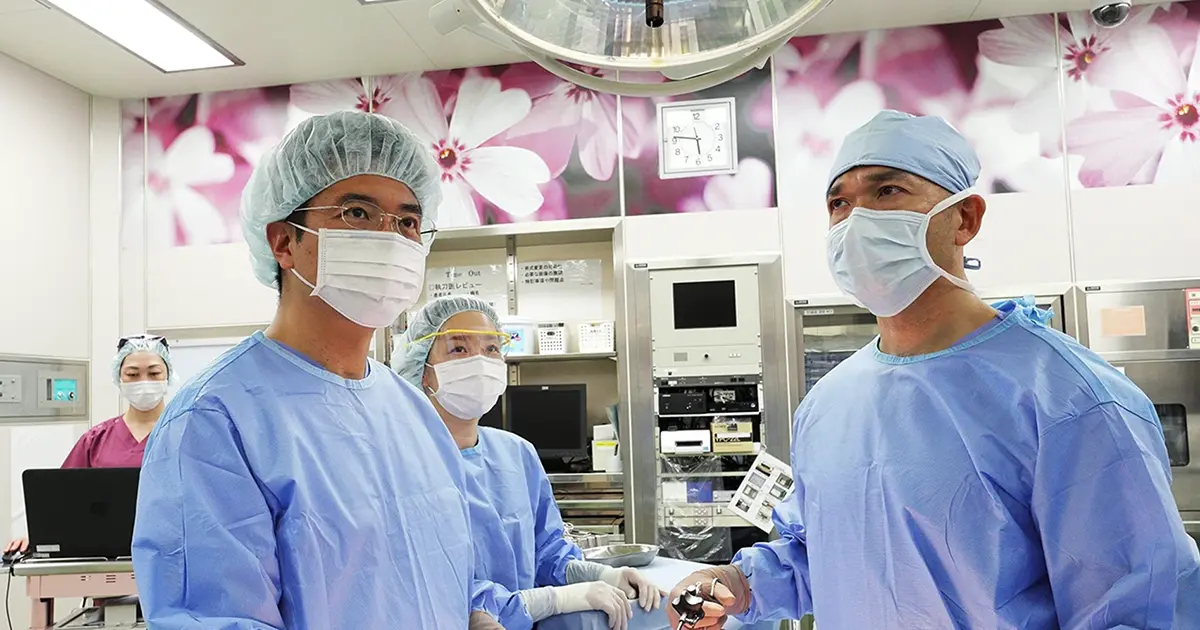
A dedicated team of physicians, registered dietitians, physical therapists, and nurses provides comprehensive support for our patients.
Treatment Recommendations Based on Your Condition
We recommend treatment suited to each patient’s condition from 4 types of weight loss surgery, including insurance-covered laparoscopic sleeve gastrectomy and LSG-DJB.

Less Invasive Laparoscopic Surgery
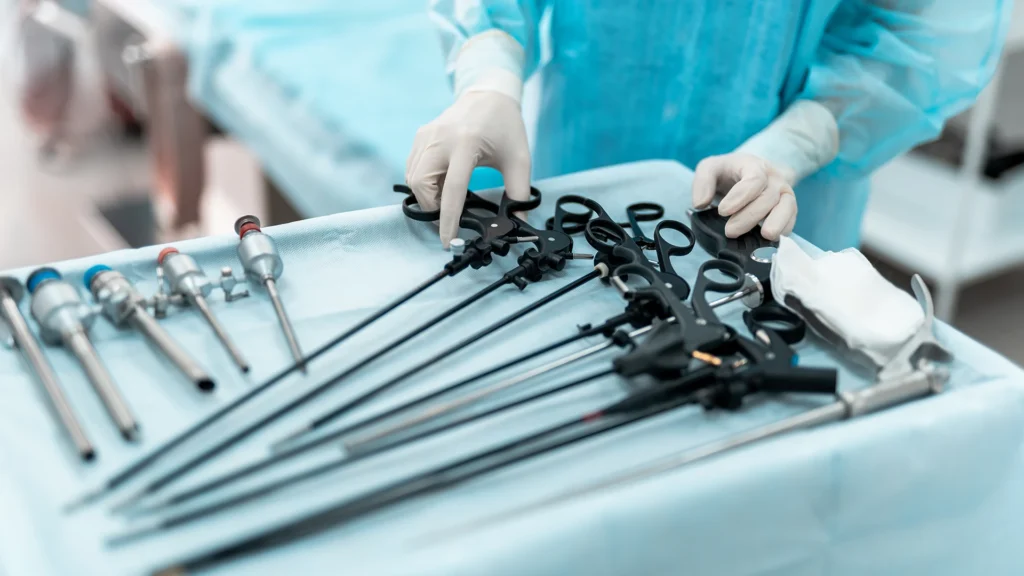
Our center has performed more than 2,000 laparoscopic bariatric procedures to date. Because laparoscopic surgery uses small incisions and involves less pain and bleeding, it reduces the physical impact of surgery and may allow an earlier return to normal activities.
A Convenient Location
Located a 5-minute walk from Yotsuya Station in Chiyoda City, Tokyo, our center welcomes patients from across Japan, from Hokkaido to Okinawa.

Treatment Schedule
Contact Us
Please contact us by email. In your message, let us know whether you are enrolled in Japan’s public health insurance. If you have a referral letter from your regular physician, please have it ready (it is not required).
Initial Consultation
You will have your height and weight measured, complete a medical questionnaire, and watch a video about the treatment before seeing the physician.
Preoperative Tests (1–2 Days)
Your overall health will be assessed through blood tests, endoscopy, X-rays, and other examinations. You will also meet with a registered dietitian and a pharmacist.
Discussion of Surgery
Your physician will explain whether surgery is appropriate for you and determine the surgery date and procedure. You will also be evaluated by an anesthesiologist and receive information about hospitalization.
Hospitalization and Surgery
You will be admitted on the day before surgery or on the day of surgery. The hospital stay is usually 3–5 days, depending on the procedure.
Follow-Up
You will attend outpatient follow-up visits at 1, 3, 6, 9, 12, 15, and 18 months after surgery, followed by yearly visits.
Our Doctors
Kazunori Kasama, MD, FACS
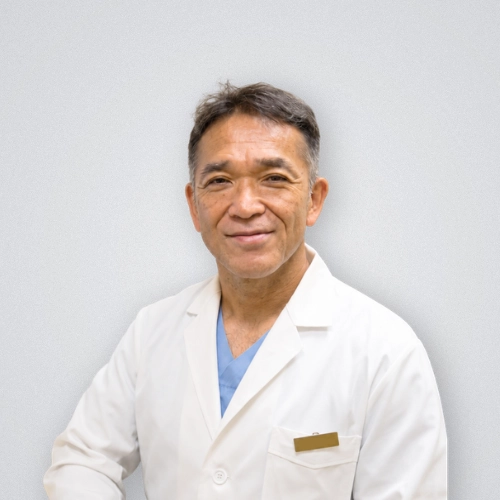
Director, Weight Loss and Metabolic Surgery Center / FACS (Fellow of the American College of Surgeons)
He graduated from Gunma University School of Medicine in 1990 and began performing laparoscopic Roux-en-Y gastric bypass in Japan in 2002. He has since contributed to the development of bariatric and metabolic surgery, including the development of laparoscopic sleeve gastrectomy with duodenojejunal bypass (LSG-DJB). He performs live surgical demonstrations around the world and is involved in training the next generation of surgeons.
He currently serves as Vice President and Chair of the International Committee of the Japanese Society for Treatment of Obesity (JSTO), Lead Representative of the Japan Consortium of Obesity and Metabolic Surgery (JCOMS), and a Board Member of the Endoscopic and Laparoscopic Surgeons of Asia (ELSA).
Languages: Japanese and English
Yosuke Seki, MD, PhD
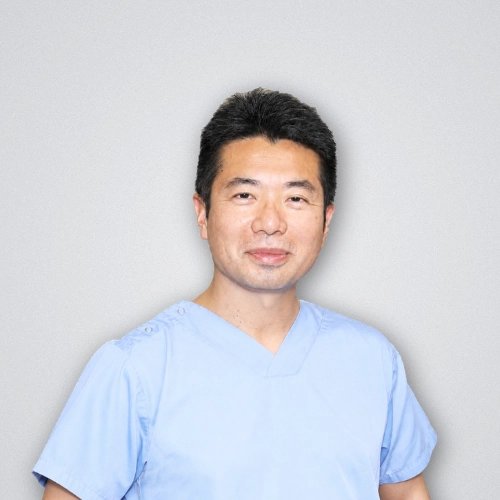
Deputy Director, Weight Loss and Metabolic Surgery Center
He graduated from Osaka University School of Medicine in 1997. After further training at Osaka University Graduate School’s Department of Gastroenterological Surgery, Osaka International Cancer Institute, Flinders University in Australia, and the University of Minnesota in the United States, he joined our center in 2009. He specializes in surgery for obesity and diabetes and laparoscopic fundoplication for refractory gastroesophageal reflux disease.
He received the Kawamura Award from the Japanese Society for Treatment of Obesity (JSTO) in 2023.
Languages: Japanese and English
Contact Us
Please email us for consultations or to schedule an appointment. A member of our team will reply as soon as possible. We also offer free consultations with a physician by email.
Telephone (Japanese Only)
050-5830-8026
From overseas: +81-50-5830-8026
Reception hours: Monday–Saturday, 9:00–17:00
Closed: the fifth Saturday of the month, Sundays, extended holiday periods (May 3–6 / September 20–23), and the year-end/New Year period (December 27–January 3)
Directions
Anshinkai Medical Corporation
Yotsuya Medical Cube
7-7 Nibancho, Chiyoda City, Tokyo 102-0084
By Public Transportation
- A 5-minute walk from the Kojimachi Exit of Yotsuya Station on the JR Chuo Line
- A 6-minute walk from Yotsuya Station on the Tokyo Metro Namboku Line
- A 5-minute walk from Kojimachi Station on the Tokyo Metro Yurakucho Line